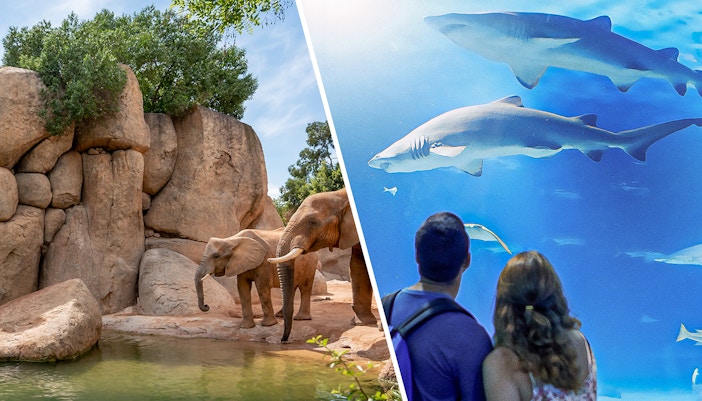
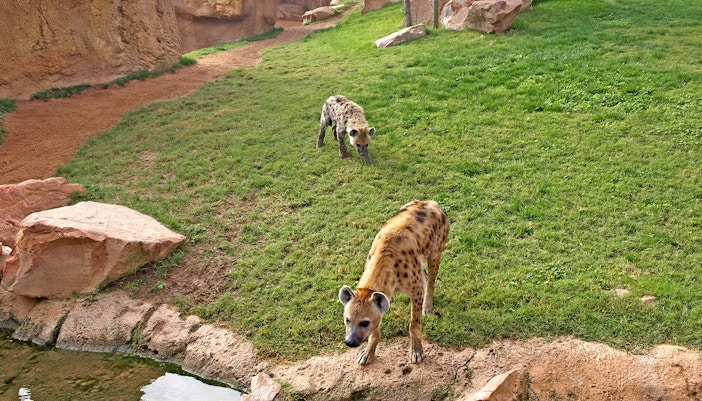
Start your journey in the African Savannah, where plain gold lands stretch wide into the horizon endlessly, dotted with acacia trees and zebras grazing in herds as if posing for a postcard. And don’t miss the towering baobabs that frame a waterfall where elephants cool off. Believe us, it feels straight out of a nature documentary.
Step into the wild: Bioparc Valencia animals and their habitats
Bioparc isn’t an ordinary zoo, it’s a wildlife conservation center where you stroll through habitats designed to mimic Africa. Here, you can see lions nap on rocky outcrops, lemurs dart between trees, and hippos glide through water unobstructed by fences and cages. It’s a must-visit destination for animal lovers who want to escape the bustle of urban life and step into the magical realm of nature.
This guide will walk you through what to expect, from must-see animals to the best habitats and activities, so you can make the most of your visit.
Habitats inside Bioparc Valencia
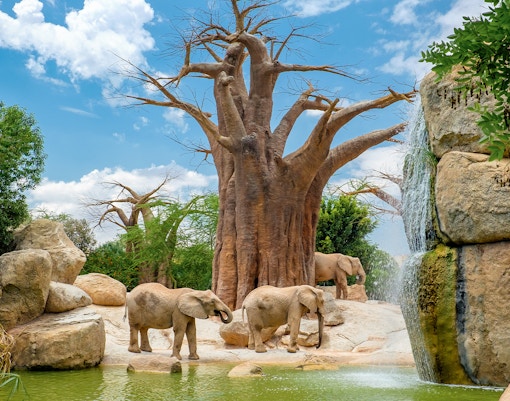
African Savannah
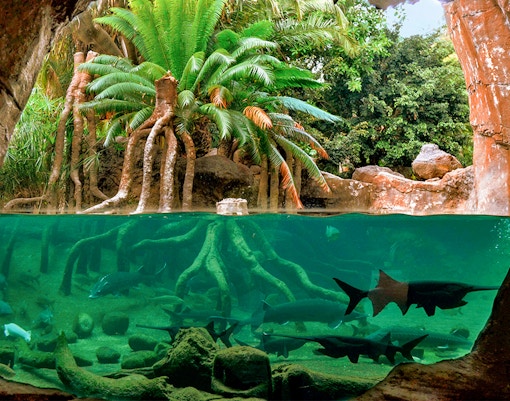
Equatorial Rainforest
Wander into the Equatorial Rainforest, where the air turns cool and damp, and light filters through a canopy so thick it feels like dusk at midday. Vines coil around towering trunks, moss carpets the ground, and everything seems alive as rustling leaves and distant calls fill your senses.
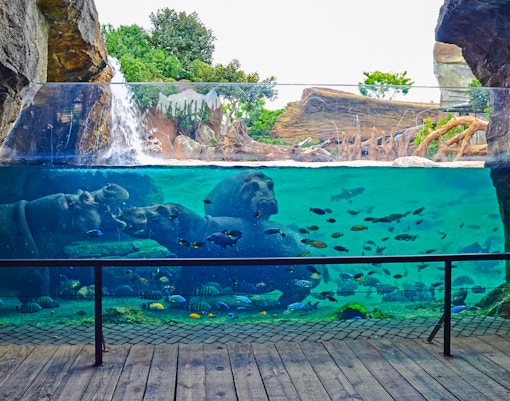
African Wetlands
Follow the river into the African Wetlands, where still lagoons and tall grasses mirror the landscapes around Lake Kyoga, part of the Nile’s great ecosystem. Inside, the air cools and shadows deepen, leading to an underwater window where hippos glide effortlessly below the surface, an experience you won’t find anywhere else in Spain.

Madagascar
Towering palms sway over sandy clearings, while tangled roots and lush greenery wrap around the pathways. You will feel like you are walking through a tropical forest as you marvel at these creatures, their homes, and the unique vegetation.
What animals can you find inside Bioparc Valencia
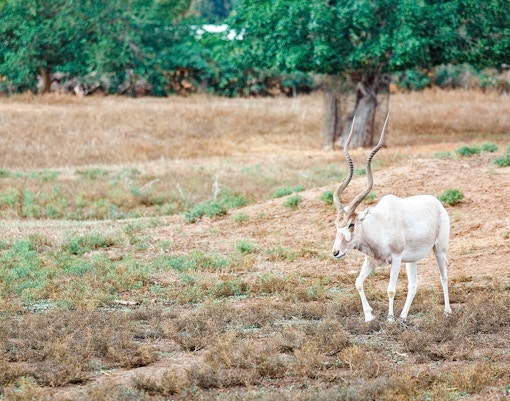
Addax
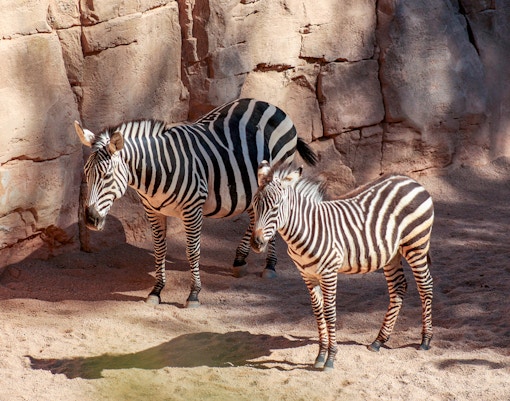
Hartmann's Mountain Zebra
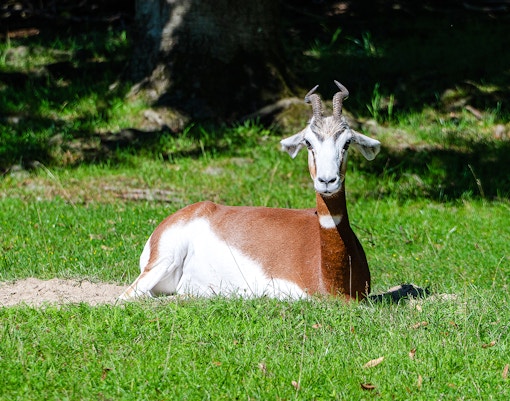
Dama Gazelle
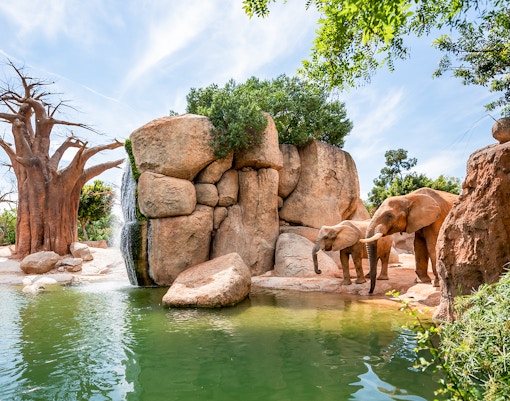
African Elephants
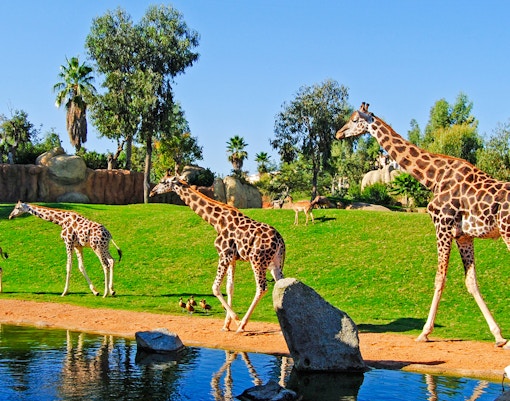
Baringo Giraffe

African Lion
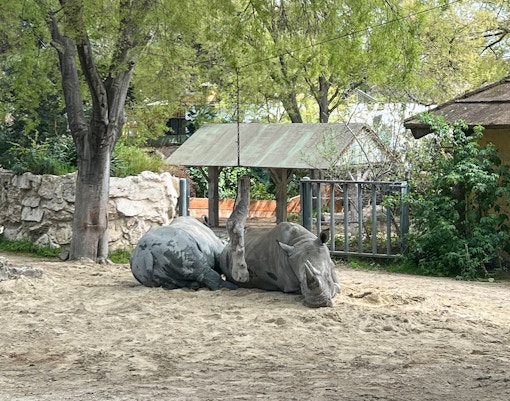
Southern White Rhino
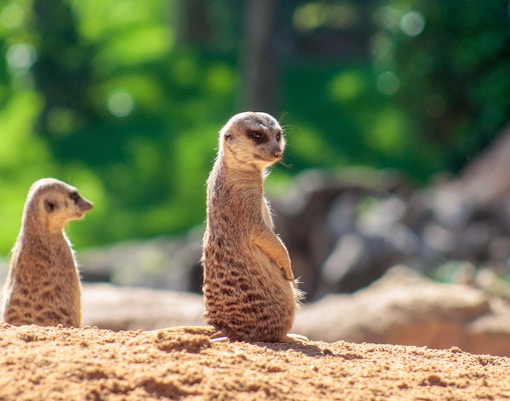
Meercat
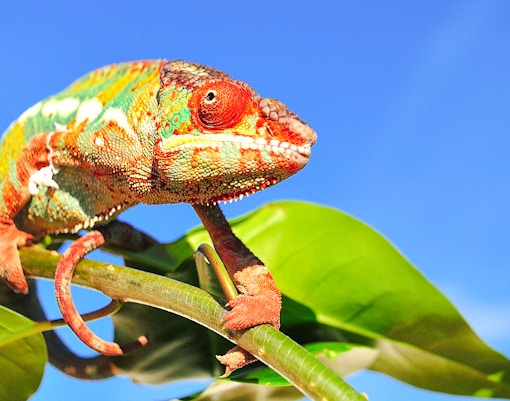
Panther Chameleon
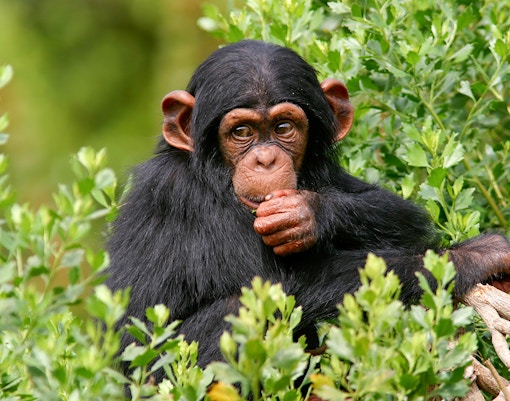
Chimpanzee
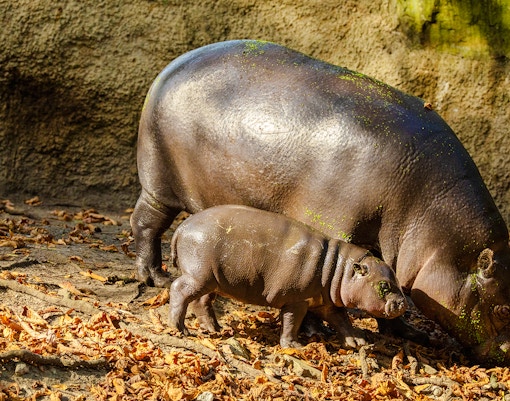
Pygmy Hippopotamus
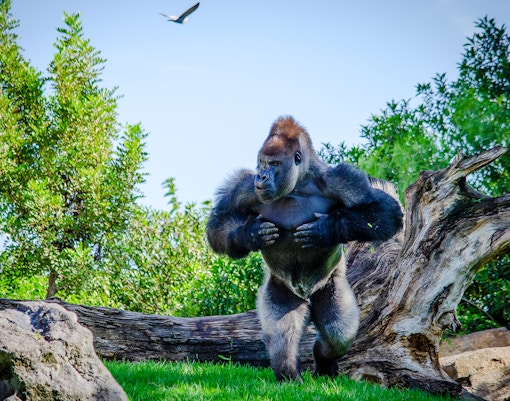
Western Gorilla
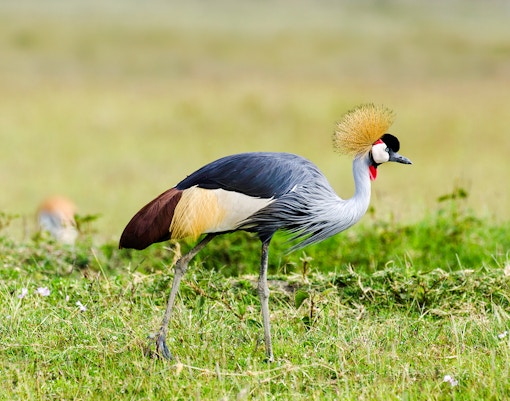
Black Crowned Crane
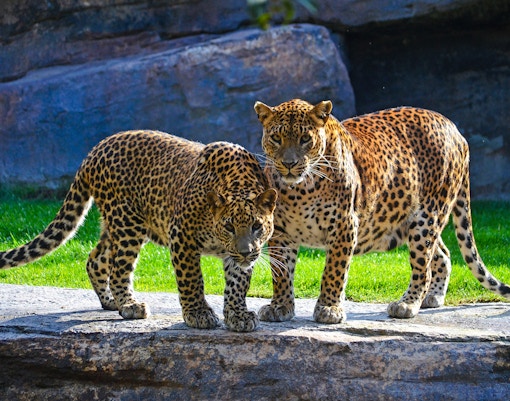
Leopard
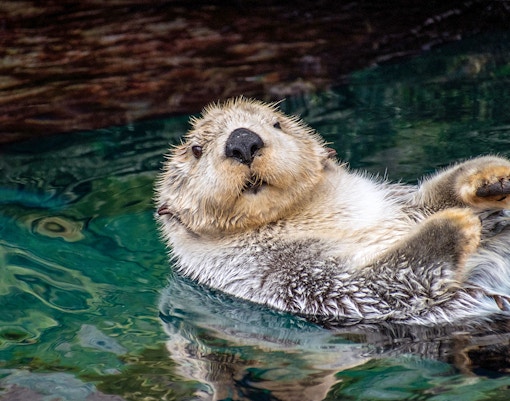
Spotted-necked Otter
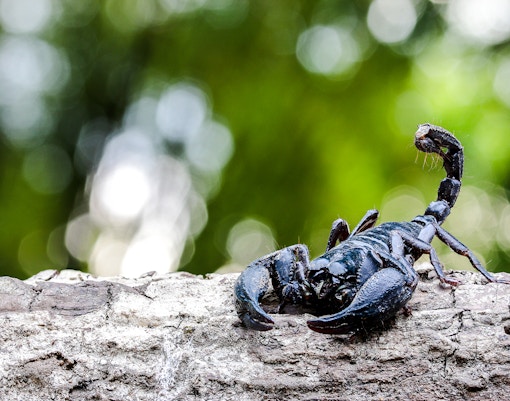
Emperor Scorpion
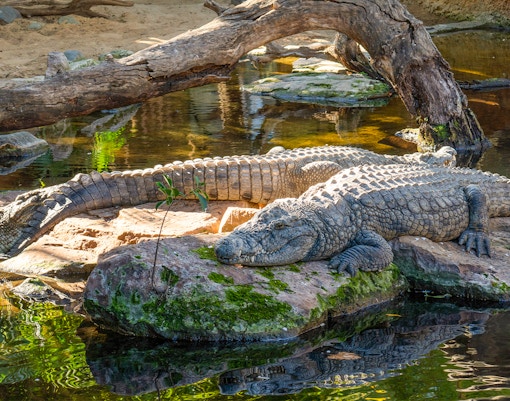
Nile Crocodile
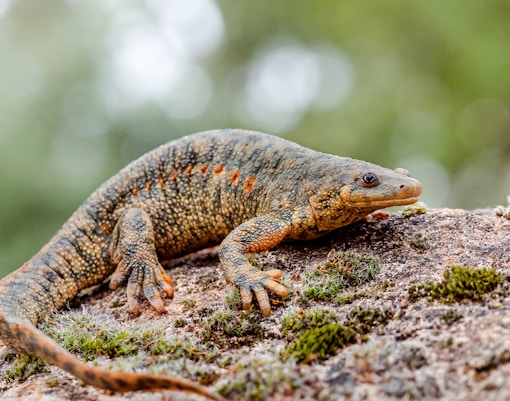
Sharp-ribbed Salamander
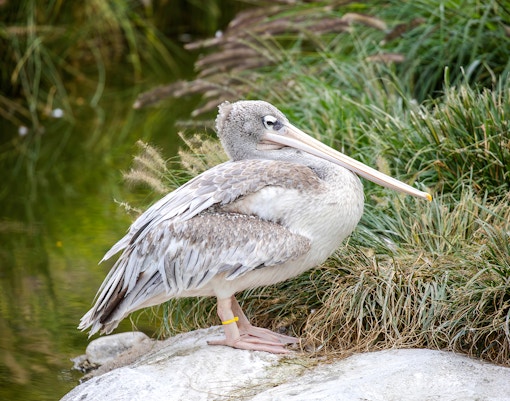
Pink-backed Pelican
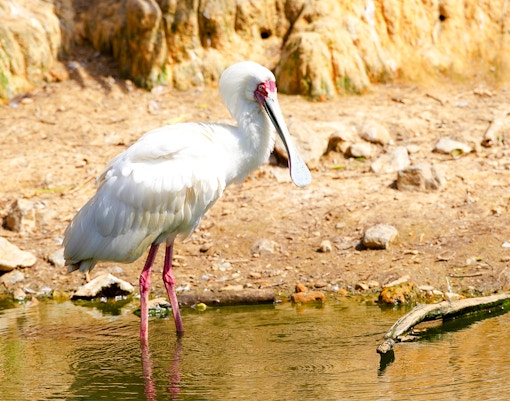
African Spoonbill
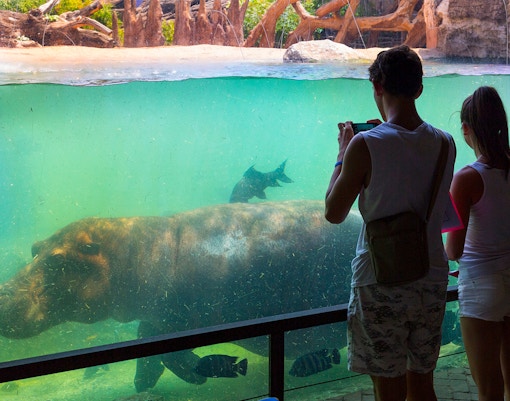
Hippopotamus
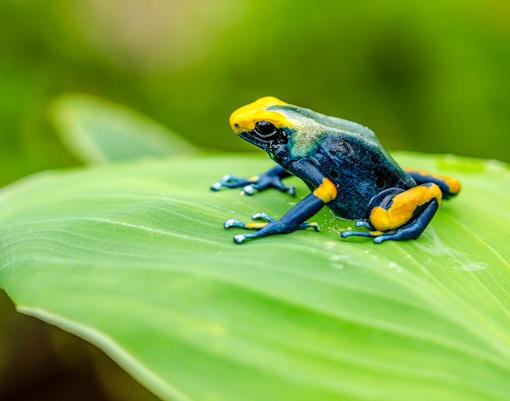
Dyeing poison frog
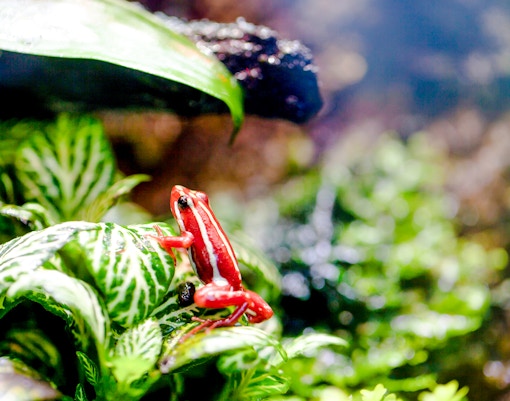
Phantasmal poison frog
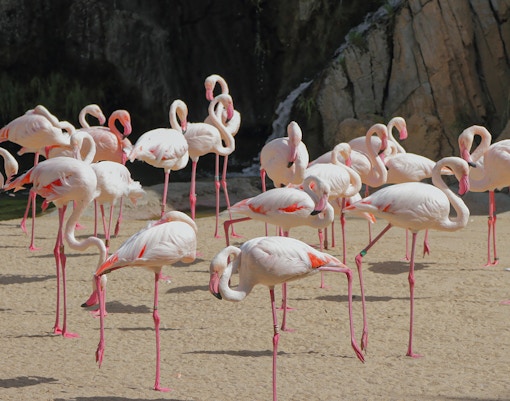
Greater Flamingo
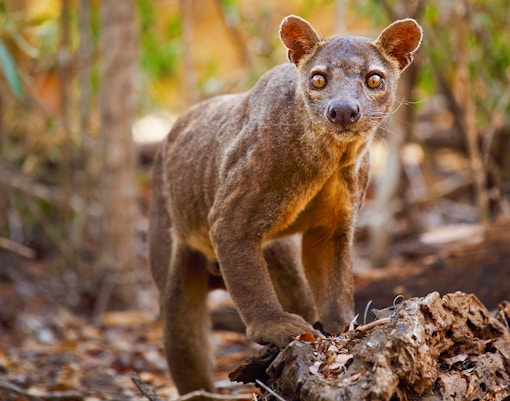
Fossa
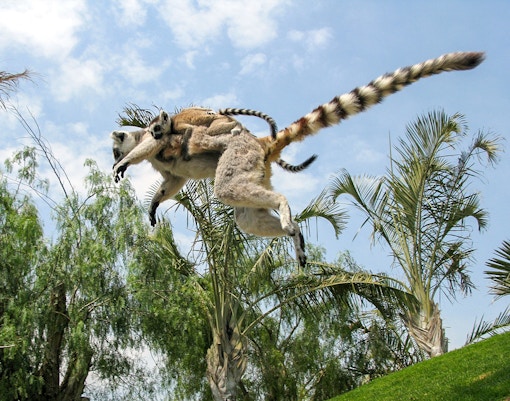
Ring-tailed Lemur
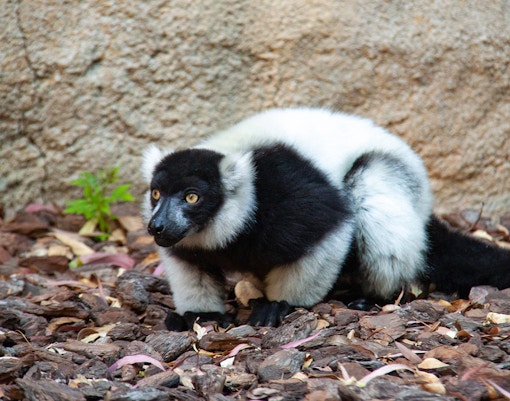
White-and-black Ruffed Lemur
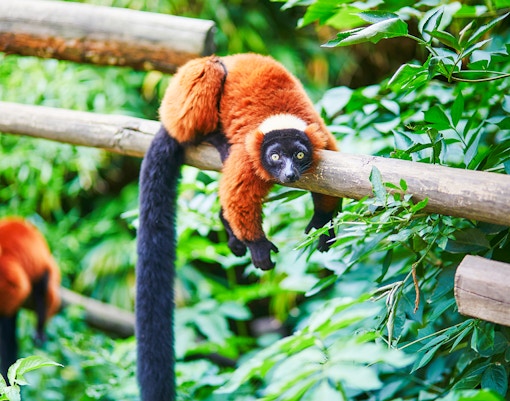
Red Ruffed Lemur
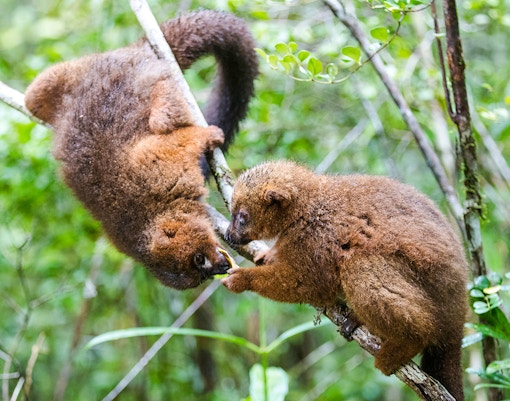
Red-bellied Lemur
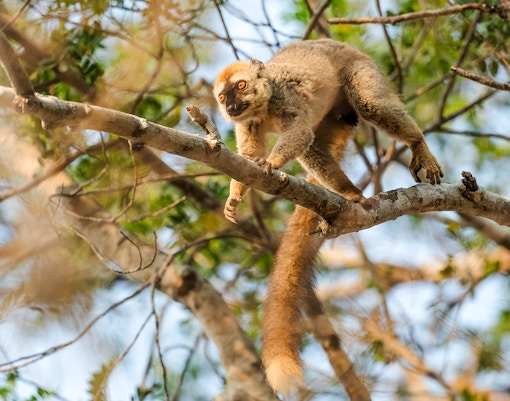
Red brown Lemur
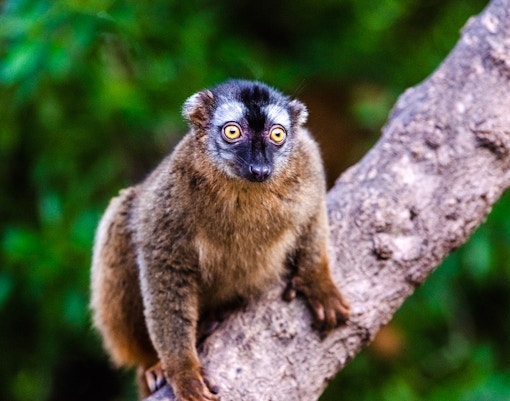
Mongoose Lemur
A zoo without barriers
One of the most magical parts of Bioparc Valencia is what you don’t see: cages and fences. Instead of metal bars, the park uses clever natural design to keep you safe while giving the animals space to roam. Think hidden moats disguised as rivers, rock formations that double as boundaries, and carefully placed glass where you’d least expect it. The result? You feel like you’re sharing the same landscape, whether you’re watching across a savannah plain or peering into the depths of a cave. It’s immersive, it’s respectful, and it makes the whole visit feel more like an adventure than a tour.
Daily adventures you can join at Valencia Bioparc
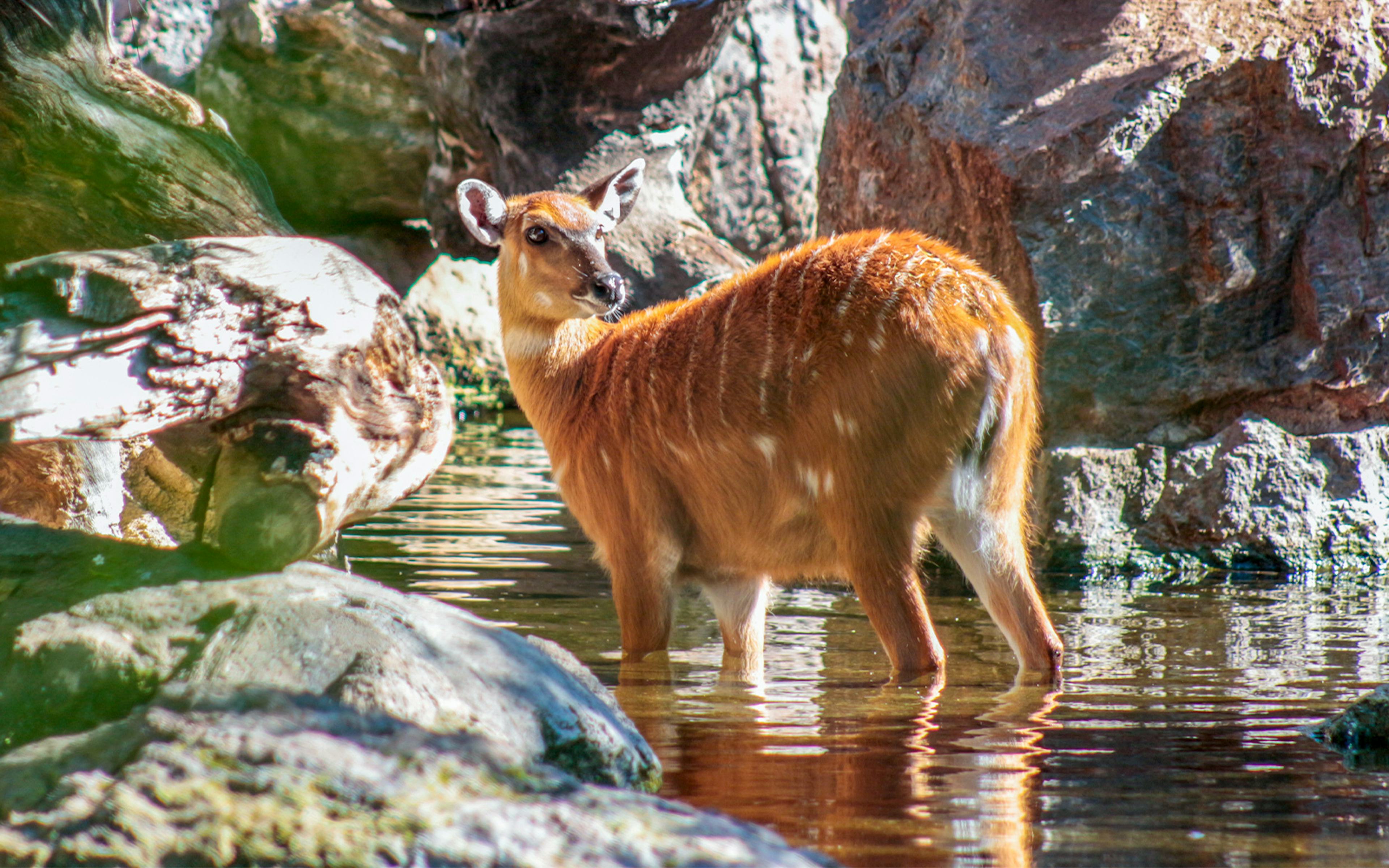
1/5
The cycle of life
Experience a “live documentary”. Watch animals’ natural behaviors and learn about their unique adaptations for hunting, survival, and defending themselves.
Fee: Included in ticket price.
Limited capacity, so check the schedule in the park's agenda as soon as you enter.
Animal care meetings
Get up close with the experts who know the animals best. Zookeepers and biologists reveal fascinating facts about individual animals, their biology, and conservation efforts. Each session lasts around 20 minutes.
Fee: Included in ticket price.
Limited capacity, so check the schedule in the park's agenda as soon as you enter.
Explore Bioparc
Join intrepid naturalists on a 30-minute journey through Bioparc’s recreated African landscapes. Learn about the most beautiful and endangered fauna while exploring the park with guides who share stories and insights you won’t find in the exhibits.
Fee: Included in ticket price.
Limited capacity, so check the schedule in the park's agenda as soon as you enter.
Mysteries of the animal world
This a traveling mini-museum featuring incredible biological specimens like primate skulls, lion claws, elephant teeth, and ostrich eggs. Guided by the educational team, this activity offers hands-on learning and fun facts that make the animal world come alive.
Fee: Included in ticket price.
Limited capacity, so check the schedule in the park's agenda as soon as you enter.
The Last Frontier
Immerse yourself in the ocean’s depths with VR headsets. Discover incredible marine life in a fully immersive virtual adventure. Available in multiple languages and highly recommended for everyone above the age of 6.
Fee: €5 per person.
Visitors tips
- Be comfortable: Wear comfortable walking shoes as the park is quite extensive.
- Plan ahead: Plan to allocate at least 3-4 hours to fully enjoy the Bioparc.
- Bring water and snacks: There are a few restaurants and cafes in the park, but it's best to bring your own food and drinks to save time and money.
- Wear sunscreen: The park is located in a sunny area, so it's important to protect yourself from the sun.
- Bring a hat: A hat will help you keep cool in the sun.
- Bring binoculars: Binoculars will help you get a closer look at the animals.
- Take your time: Don't try to rush through the park, take your time and enjoy the experience.
- Ask questions: The staff at the park are happy to answer any questions you have about the animals.
- Be respectful: The animals are wild creatures, so be sure to respect their space.
- Have fun! Bioparc Valencia is a great place to learn about animals and have fun.
Frequently asked questions about Bioparc Valencia animals and habitats
Yes, there are several animal shows and presentations throughout the day. You can find a schedule of the shows and presentations on the Bioparc Valencia website.
No, it is not allowed to touch or interact with the animals inside Bioparc Valencia. The animals are wild animals and should be respected.
There is no specific route that you should follow inside Bioparc Valencia. However, the park is divided into several areas, each of which focuses on a different region of Africa. You can start your visit in the Madagascar area and then make your way to the other areas. There are also several walking trails that you can follow.
Bioparc Valencia is home to over 6,000 animals representing more than 150 African species. The park's immersive habitats recreate the ecosystems of the African savannah, equatorial rainforest, Madagascar, and the African wetlands, allowing visitors to observe animals like elephants, lions, chimpanzees, lemurs, and many more in environments that closely mimic their natural habitats.
While Bioparc Valencia's enclosures are designed to encourage natural behaviors, some animals may be less active or resting during certain parts of the day. Since many enclosures are multispecies, animals can be located in various areas and may engage in different activities throughout the day. To maximize your experience, consider visiting specific areas at different times or participating in the park's scheduled activities.
Absolutely. Bioparc Valencia participates in various conservation programs and is home to several endangered species. For instance, the park has successfully bred the elephant shrew (also known as the sengis), a species native to Madagascar and considered vulnerable.