- Why this month: It only happens daily during Fallas, and it defines March in Valencia better than anything else.
- Best time: Arrive by 1:30pm for the 2pm start.
- Book by: No ticket needed.
- Crowds: High; the sound zone fills fast.
- Stand in the square once and you will understand why locals plan their March around it.
- Don't miss: The final minute, when the whole plaza seems to shake.
- Insider tip: Wear ear protection for children and stand slightly off-center if you want space to leave quickly.
Valencia In March Weather Fallas Crowds And What To Do
Valencia in Spring: How March compares
| Category | February | March | April |
|---|---|---|---|
Weather | 9–16°C, mixed layers, cooler nights | 12–20°C, mild walking weather, mostly dry | 13–21°C, sunnier, spring evenings still cool |
Crowds | Low to moderate, mainly local pre-Fallas energy | High, especially 15–19 March | Moderate, calmer after Fallas |
Atmosphere | Build-up month, neighbourhood parties begin | Full festival city, noisy, late nights, fireworks daily | More relaxed, religious processions and spring pace |
Key events | Carnaval, Fallas preparations, sketch exhibitions | Las Fallas, Mascletà, Nit del Foc, Ofrena, Cremà | Semana Santa, Easter week, Sant Vicent Ferrer |
Public holidays | None that reshape the whole city | 19 March, Día de San José | Easter-related dates vary by week |
Budget | Better hotel deals, easy restaurant bookings | Highest prices around 14–19 March | Prices settle after Easter peaks |
Best for | Budget travelers, locals-only energy, preview visits | Festival fans, photographers, first-timers wanting peak culture | Food trips, easier sightseeing, balanced weather |
Book early? | Only if planning March stay | Absolutely, 2–4 months ahead for Fallas week | 3–4 weeks ahead for Easter weekend |
Transport tips | Normal operations, easy metro days | Road closures, packed city center, walk more than you expect | Easier moving around, fewer festival disruptions |
Top things to do in Valencia in March
Offbeat experiences in March
Planning your March visit
| Lead time | What to book | Why & when | Seasonal price change |
|---|---|---|---|
3–4 months ahead | Central hotel for Fallas week | By late Nov to Dec for stays on Mar 15–19, when the city center fills first | Mar 15–19: often +60–120% vs the last week of March; Mar 1–10: usually +10–25% vs late March |
3–6 weeks ahead | Oceanogràfic Tickets | Book by late Feb for weekend slots and school-holiday style demand during Fallas | Mar weekends & Mar 15–19: timed slots feel busier; ticket prices are usually stable, but best times sell first |
2–3 weeks ahead | Bioparc Valencia Tickets | Book by early Mar for sunny weekends, especially if you want a morning entry window | Sunny weekends: demand rises; ticket price usually stable, but preferred entry times go first |
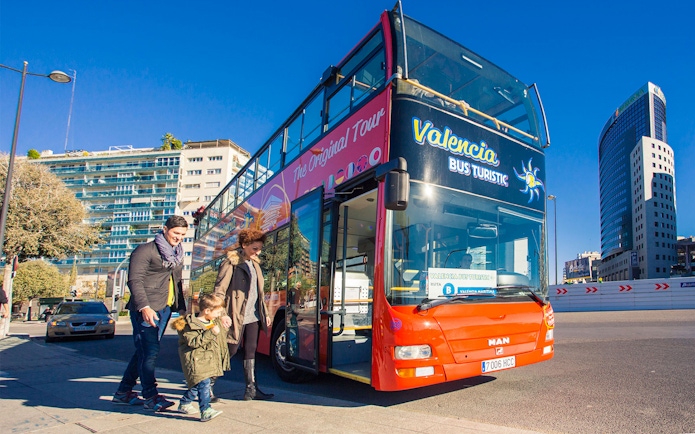
1–2 weeks ahead | Valencia Bus Turistic: Valencia Hop-On Hop-Off Bus Tour | Book once your sightseeing days are fixed; use it earlier in the month or outside peak closure hours | Mar 15–19: value drops if roads are busy; early March prices usually near base |
1–2 weeks ahead | Sunday paella lunch at top beachfront spots | Reserve by Thursday for any March Sunday, and earlier for Fallas week | Mar Sundays: common +10–20% vs weekday menus at tourist-heavy areas; Fallas weekends can run higher |
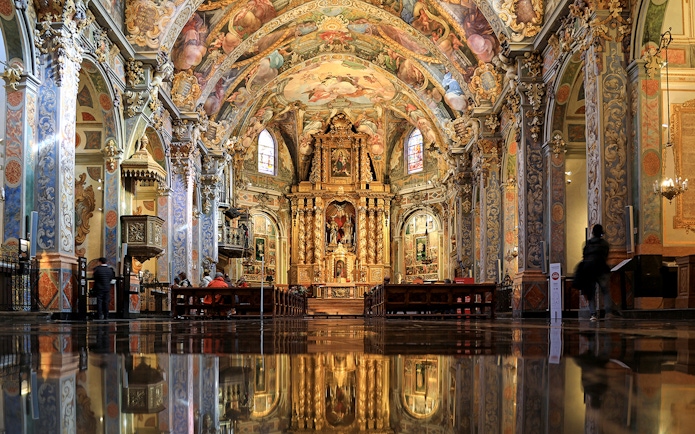
3–7 days ahead | San Nicolas Church: Admission Ticket | Good last-minute indoor anchors for festival-heavy days | Usually close to base price through March; little seasonal movement |
2–5 days ahead | Valencia International Airport Private Transfer | Useful for Fallas arrivals when taxi queues stretch and flight delays stack up | Mar 15–19 and late-night arrivals: transfer availability tightens; prices may run +10–25% vs quieter March weekdays |
March highlights: Must-do experiences for different travellers
Valencia in March: Your perfect 3-day itinerary
Best day trips from Valencia in March
Go shopping in Valencia in March
-
-
-
-