A crisp morning in Valencia greets you with 8°C (46°F) and the scent of oranges at their peak. The city is calm after the holidays, but the Cavalcada de Reis parade on 5 January fills the streets with color. Winter art fairs at Palau de les Arts and the Feria de Enero trade show bring life to the cultural calendar. Expect the lowest hotel rates of the year, but also short daylight (sunrise 8:05am, sunset 5:55pm) and occasional fog along the Turia. Layer up for chilly evenings and enjoy fresh orange juice at Mercat Central. January is a quiet, local time—perfect for slow travel and museum hopping.
Pro tips for visiting Valencia in January
• Book Palau de les Arts opera tickets 3–4 weeks ahead; the winter program sells out quickly, especially for headline productions. • Head to Mercat Central for fresh-squeezed orange juice; January is peak season and prices are lowest at street kiosks near the market. • Reserve hotels in Eixample for the best winter deals; four-star rates drop significantly, offering luxury at mid-range prices. • Go early to the Cavalcada de Reis parade on 5 January; families line the main routes from 5pm, and the best viewing spots fill by 4:30pm. • Avoid sightseeing along the Turia riverbed before 10am; morning fog can be dense and slow to clear, especially after rain. • Choose indoor attractions like the Museu de Belles Arts or Palau de la Música for rainy days; both offer robust winter programming. • Skip the main tourist restaurants for traditional forns (bakeries) on Carrer de Cavallers; mornings are best for fresh coca de dacsa and pastissets. • Book football tickets for Mestalla matches in advance; January fixtures are popular with locals and can sell out.
What to eat in Valencia in January: Seasonal delicacies
1/6
Naranja Valenciana (Fresh Orange Juice)
Valencia’s thin-skinned oranges come from the Huerta around the city and peak in winter harvest. In January you’ll see kiosks squeezing juice for €1–1.50 near Mercat Central. Order a glass with breakfast, then buy a few whole oranges for later. Pair the juice with a pastry and plan to shop before the market’s midday rush.
This fisherman’s rice dish cooks Bomba rice in a rich fish broth, serving the cooked fish separately, then finishing with alioli. January suits it because cooler weather pushes Valencia toward hearty, hot rice plates. Book a table at Casa Carmela for a weekend lunch, and order early because rice needs time. Pair it with a local white wine served cold.
Valencian baked rice layers chickpeas, morcilla, spare ribs, tomato, and potatoes in an earthenware cazuela, traditionally cooked in a wood oven. It’s a winter Monday dish that fits January’s cooler nights and slower pace. Find it at Restaurant Navarro and go at lunch, not late dinner. Ask for the cazuela presentation and share it family-style.
A slow-cooked Valencian stew with white beans, pork ribs, morcilla, chicken, turnip, and cardoon, it’s the local cousin of cocido but with regional pulses and vegetables. January is prime season because it rarely appears on summer menus. Order it at Restaurante El Rall for a sit-down lunch, and go early in the service window, 1:30–3:30pm.
Turrón is a protected nougat made from honey, sugar, egg white, and toasted almonds, sold as hard Alicante style and soft Xixona style. January is still peak because holiday stock remains in old-town shops and locals keep eating it. Buy from Turronería Ramos and take small pieces with coffee. It travels well as a snack on day trips by train.
Coca de dacsa is a heritage corn flatbread baked in a wood oven and served with tomato, sardines, or vegetables, tracing pre-potato subsistence cooking. January is a smart time to seek it out because winter mornings keep bakery ovens running longest. Buy from Forn de Sant Jaume on Carrer de Cavallers and eat it warm for breakfast. Pair with café amb llet, then walk the old town while streets are quiet.
Epiphany-eve parade brings the Three Kings through central Valencia streets with floats and sweets for children. Families line the route early in the evening. Expect dense crowds downtown, book central restaurants if you want dinner after the parade.
Epiphany day is a Spanish public holiday, and Valencia marks it with family gatherings and Roscón de Reyes in cafés. Many locals treat it as gift day. Check opening hours before shopping, and expect bakeries to sell out popular roscón early.
Feast of St. Anthony Abbot brings neighbourhood blessings of animals at parish churches across Valencia. Locals turn up with pets for a quick ritual and a chat outside. Because celebrations are parish-level, check your district’s church for timing.
Annual January trade fair brings home, design, and lifestyle sector exhibitions to the Feria Valencia complex. It’s a professional event, but visitors can browse trends and stands if access allows. Dates are mid-January (January 14–16) range-based here, so confirm entry rules and opening hours before going.
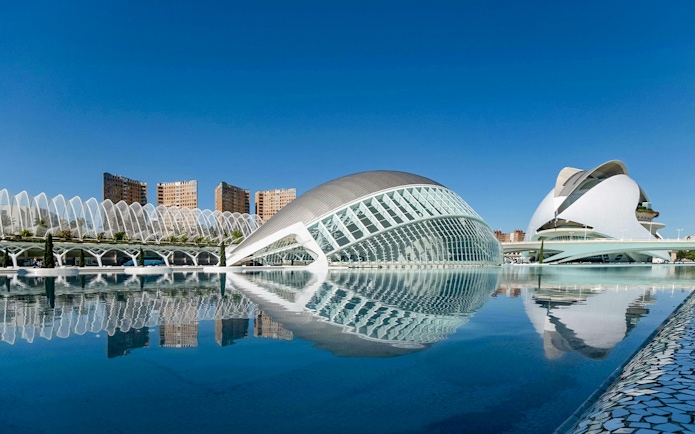
The winter programme at Palau de les Arts runs full opera productions and concerts in Valencia’s landmark opera house. It’s a strong January plan when hotel rates are lowest and evenings are cool. Book 3–4 weeks ahead for popular performances, and plan dinner after, shows can run until about 11pm.
January LaLiga home fixtures at Mestalla deliver classic Spanish football in one of the country’s oldest stadiums. Matchday streets around the ground fill early with fans and bar stops. Exact dates depend on the league calendar, so buy tickets once fixtures confirm and arrive early for security lines.
Plan ahead: must-visit experiences for Valencia in January